
Nos enorgullece anunciar el tensiómetro Wheel Fanatyk. Basado en un ingenioso diseño de Jobst Brandt (autor de "La rueda de bicicleta"), esta herramienta es el non plus ultra de los tensiómetros.

FSA fabricó brevemente una versión que cosechó una acogida ecléctica a nivel mundial. Se discontinuó hace varios años y ya no se encuentra a la venta. La herramienta Wheel Fanatyk mejora el diseño de varias maneras cruciales. Para conocer los fundamentos de la herramienta en su versión FSA, consulte aquí .

Para 2012, incorporamos piezas móviles de especificaciones mucho más altas y un indicador digital. Todas las piezas se fabrican en EE. UU. con tolerancias y materiales que permiten un nuevo nivel de precisión. Este es quizás el más preciso del mundo. El indicador digital cuenta con numerosas características:
1. Fuerza de resorte extra baja para una alta precisión.
2. Resistente a golpes, polvo y agua.
3. Pantalla LCD grande.
4. Puesta a cero.
5. Conversión de pulgadas/métricas.
6. Botón de encendido/apagado.
7. Un año de vida útil de la batería (funcionamiento continuo).
8. Salida SPC/RS232 (descarga a una PC).
9. Resolución: 0,0005"/0,01 mm.
La salida SPC/RS232 se realiza a través de un puerto mini-USB y requiere un cable dedicado que cuesta $120. Instrucciones aquí .

El instrumento está completamente calibrado en nuestro propio dispositivo con un dinamómetro de precisión Dillon. Ofrecemos conversión de tensión para todos los calibres y diámetros de radios comunes.

Ningún otro tensor de radios ofrece esta combinación de precisión, facilidad de uso, durabilidad y precio. Vea este video que describe su uso y características.
La herramienta cuesta USD$295 y esto es lo que obtienes:
1. Un estuche a prueba de golpes, con cerradura, forrado de espuma y con bisagras con pasador metálico.
2. Manual del propietario de 26 páginas, con muchos consejos para el montaje de ruedas.
3. Tabla de tensión de radios laminados, para una conversión conveniente.
4. Batería de repuesto.
5. Un CD con archivos PDF del manual y la tabla, y nuestra película de instrucciones.
![¿Qué hay dentro del estuche? [2012]](https://cdn.shopify.com/s/files/1/0553/5707/9710/files/Tensiometer-contents.jpg)
La garantía es de un año completo, pero nuestro objetivo es satisfacer las más altas expectativas de cada usuario. La recalibración de por vida es gratuita. Satisfacción garantizada.
Mira estas imágenes:
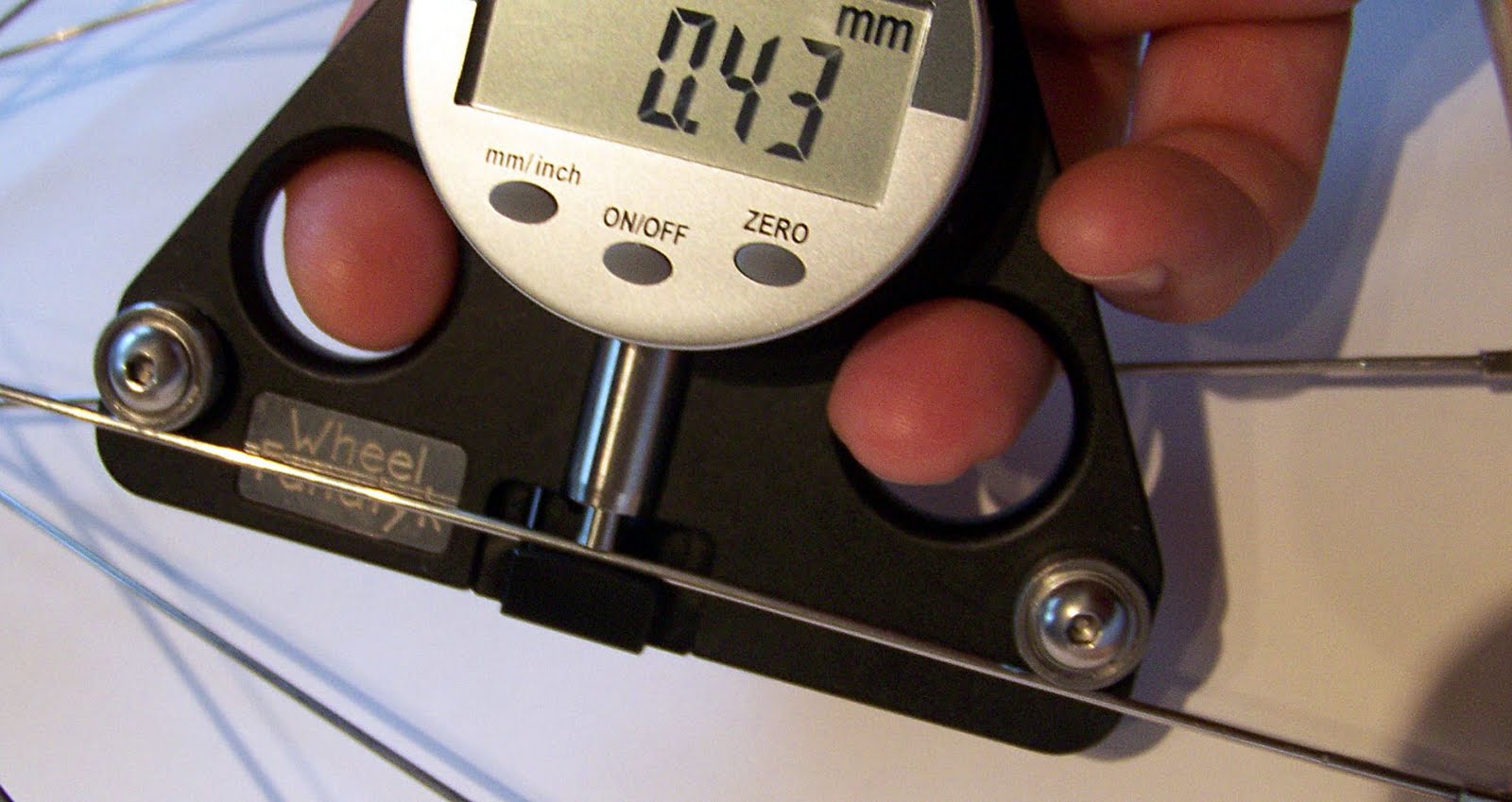

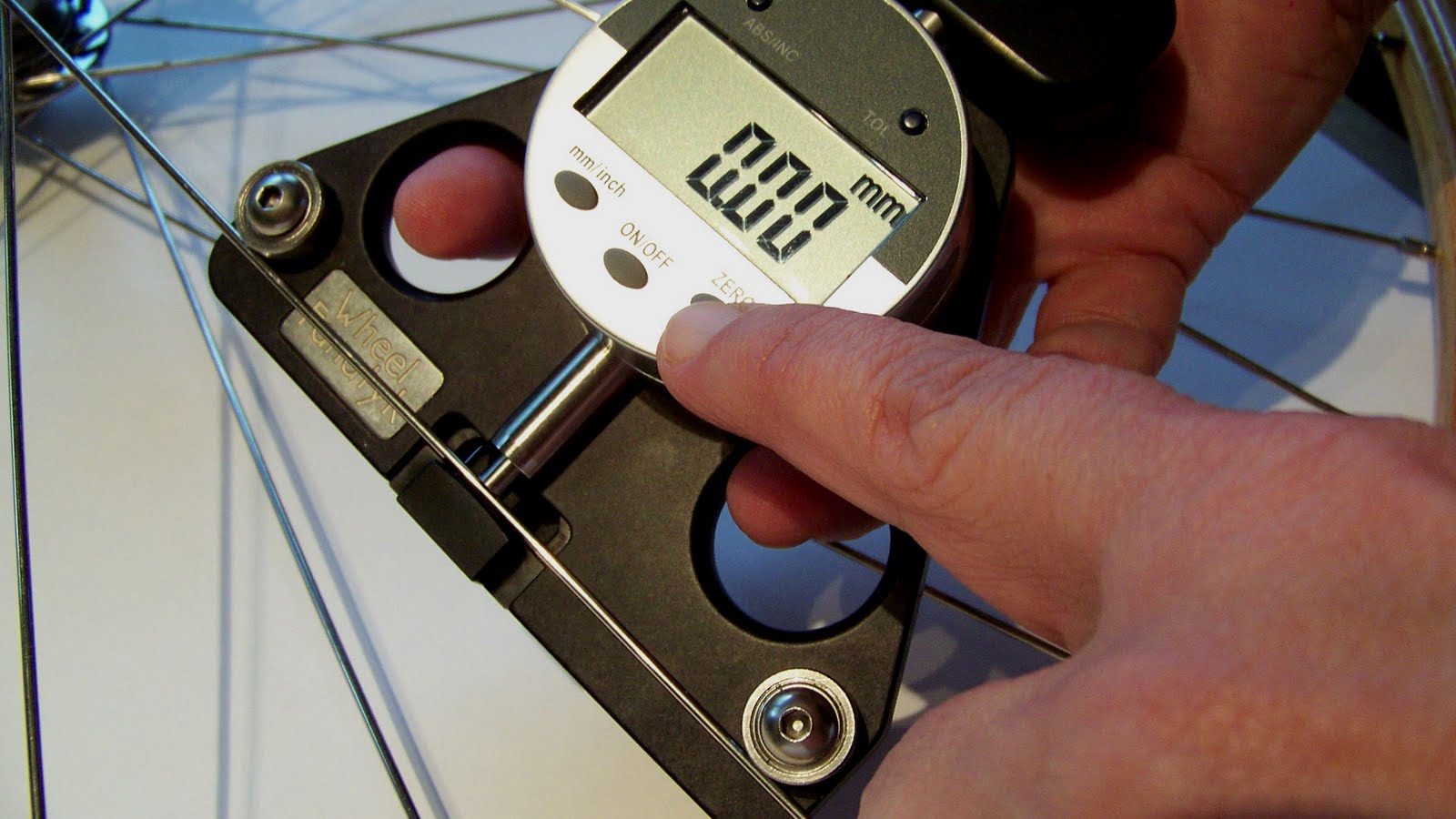
Puedes comprarlo aquí .


Los comentarios se aprobarán antes de mostrarse.
Por favor, rellene el siguiente formulario para enviar su solicitud de desistimiento.

Alex
noviembre 02, 2021
Nice tool. However there is something I don’t understand. One of the virtues of this type of tool is said to be (as explained in the FSA tool link) that the readings are independent from spoke thickness and material, which results in a faster wheelbuilding as you don’t have to look for conversion tables as with, for example, the Park Tool one.
But on the other hand, in the YouTube video showing how to use the tool, it is shown a conversion table also. I have had a look a it and certainly there is less variation between thickness and material than other tensiometers, but still some variation, which some how defeats the purpose of super precise reading…. if you want super precise tension you will have to look at the tables anyway.
In my opinion, this tool would be amazing if you can just enter the data of material, shape and thickness of spoke and then it reads the tension straight away. Being a digital reading, must not be super difficult for the right person. That would be the way of getting rid of conversion tables, which is kind of charming in a 80s way of looking at things, but maybe a bit out of date for the 21 century.